What is Menstrual Waste Management?
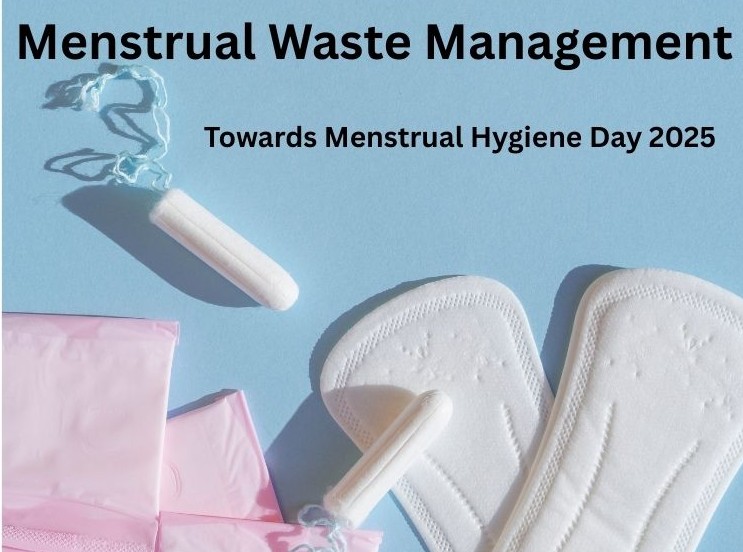
Menstruation is a natural part of life for billions of people around the world. But while the process itself is biological, the products we use to manage periods create a different kind of challenge: waste. From disposable pads and tampons to wrappers and packaging, the volume of menstrual waste is rising—and so is the need for proper disposal.
Menstrual Waste Management (MWM) is the process of safely collecting, handling, treating, and disposing of used menstrual hygiene products. It’s a critical part of sanitation, public health, and environmental sustainability—but it’s often overlooked in mainstream discussions.
Why Is Menstrual Waste Management Important?
1. Environmental Impact
Most commercial sanitary pads are made with up to 90% plastic. A single pad can take 500 to 800 years to decompose. Multiply that by the millions of people menstruating each month, and the result is a massive pile of non-biodegradable waste ending up in landfills, water bodies, and open fields.
2. Public Health and Hygiene
Improper disposal—like flushing pads down the toilet, throwing them in the open, or burning them at low temperatures—can lead to:
- Blocked sewage systems
- Contamination of water sources
- Breeding grounds for infection and disease
In many rural and urban areas, sanitation workers (often women and children) are forced to handle used pads with bare hands, putting their health at serious risk.
3. Social Dignity and Safety
Menstrual waste is still taboo in many parts of the world. Girls and women often feel ashamed or confused about how to dispose of used products discreetly and safely. This leads to harmful practices like burying pads in school grounds or stuffing them in plastic bags.
What Constitutes Menstrual Waste?
Menstrual waste includes:
- Used sanitary pads
- Used tampons
- Panty liners
- Disposable period underwear
- Wrappers, packaging, and disposal bags
- Wastewater and residue from cleaning reusable products
Reusable products like menstrual cups, cloth pads, and period underwear generate minimal waste—but even these can contribute indirectly (e.g., packaging, occasional discards).
Current Practices and Challenges
1. Lack of Awareness
Many people don’t know how to dispose of menstrual products properly. Schools, workplaces, and public places rarely provide clear instructions or dedicated bins.
2. Inadequate Infrastructure
In most areas—especially in developing countries—there are:
- No separate disposal bins for menstrual waste
- No incinerators or composting units
- Poor waste collection systems
This leads to indiscriminate disposal in toilets, fields, dustbins, or even water bodies.
3. Stigma and Silence
Due to cultural taboos, people avoid talking about periods—let alone period waste. As a result, menstrual waste is not prioritized in waste management policies.
4. Health Risks to Sanitation Workers
In many places, waste is sorted by hand. Sanitation workers are exposed to infectious materials, especially when menstrual waste is not wrapped or segregated properly. This violates their dignity and right to a safe work environment.
Sustainable Solutions for Menstrual Waste Management
1. Awareness and Education
Change begins with conversation.
- Teach young people how to dispose of products safely
- Normalize period talk in schools, homes, and workplaces
- Include menstrual waste in public health campaigns
2. Segregated Bins and Disposal Systems
Provide color-coded bins or dedicated disposal boxes in:
- Schools
- Offices
- Public toilets
- Hospitals
Pads should never be flushed or mixed with regular waste. Separate collection enables safe disposal.
3. Eco-Friendly Products
Encourage the use of sustainable alternatives such as:
- Menstrual cups (last up to 10 years)
- Reusable cloth pads
- Biodegradable sanitary pads (made from bamboo, banana fiber, etc.)
Though not suitable for everyone, these options significantly reduce waste and environmental impact.
4. Sanitary Napkin Incinerators
Install low-emission incinerators in schools, hostels, and public restrooms. These devices:
- Burn used pads at high temperatures
- Reduce waste volume
- Prevent foul odor and infections
Important: Incinerators must meet pollution control standards and not be used to burn plastic-heavy pads in poorly ventilated spaces.
5. Composting Biodegradable Pads
Some biodegradable pads are made with 100% natural materials. These can be composted safely:
- In home composting units
- In community compost pits
- Through partnerships with eco waste companies
Proper labeling and instructions are crucial to prevent misuse.
6. Policy Support and Government Role
Governments can drive change by:
- Including MWM in solid waste management rules
- Mandating disposal infrastructure in schools and institutions
- Supporting startups and NGOs working on menstrual hygiene and waste
- Offering subsidies for eco-friendly products
In India, for example, the Swachh Bharat Mission has recognized menstrual hygiene as part of sanitation goals, but implementation is still uneven.
Role of Individuals, Communities, and Organizations
1. Individuals
- Use reusable or biodegradable products when possible
- Wrap and dispose of used pads hygienically
- Don’t flush menstrual products down the toilet
- Spread awareness in your circle
2. Communities and NGOs
- Organize menstrual hygiene and waste management workshops
- Build low-cost incinerators and compost pits
- Advocate for better disposal facilities in schools and local bodies
3. Corporates and Institutions
- Install sanitary pad disposal systems in workplaces
- Include menstrual waste in CSR (Corporate Social Responsibility) goals
- Offer eco-friendly period products as part of health initiatives
Innovations and Promising Projects
Around the world, innovators are finding creative ways to address the menstrual waste crisis:
- Pad recycling machines that extract cellulose for reuse
- Biodegradable pad startups using natural fibers
- Solar-powered incinerators for rural areas
- Menstrual hygiene vending machines with disposal units
These solutions combine technology, sustainability, and dignity, showing that progress is possible with the right support.
Final Thoughts
Menstrual Waste Management is more than a sanitation issue—it’s a matter of public health, environmental justice, and gender equality.
When we ignore menstrual waste, we not only harm the planet, we harm people—especially girls, women, and sanitation workers. But when we talk openly, invest wisely, and adopt sustainable habits, we create a cleaner, safer, and more respectful world for all.
It’s time to treat menstrual waste not as an afterthought, but as a priority in our journey toward better health, better hygiene, and a better future.
Do your part. Periods are natural. Waste shouldn’t be harmful.